
March 26, 2026•10 min read
How to Grow Your YouTube Channel with AI in 2026
Discover the exact strategies top creators are using to leverage artificial intelligence for viral growth.
The modern YouTube viewer has an attention span shorter than a standard text message. If your video script fails to hook them in the first 5 seconds, explain your value within 30 seconds, or pace B-roll transitions tightly, audience retention will tank. When retention drops below 40%, the YouTube algorithm chokes your impressions. In this scriptwriting guide, we will unpack the structural formulas that sustain high average view durations (AVD), explain hook-bridge logic, and demonstrate how advanced AI YouTube Video Script Generator drafts viral storyboards built for retention.
Most creators plan videos by simply turning on a camera and talking. This conversational, outline-based approach results in excessive filler words, visual pacing lag, and unnecessary explanations that cause viewers to click away. To secure explosive watch time in 2026, scripts must be engineered using **Visual Cadence Modeling** and **Narrative Loop Pacing Heuristics**.
This blueprint covers structural scriptwriting, B-roll alignment, and audio cues. We will outline a high-retention script pacing curve, provide a comparative evaluation of scriptwriting methods, and detail how Cre8Virals' smart scriptwriting workspace transforms a raw video concept into a production-ready teleprompter suite.
The Math Behind Sustained View Times
A viral script is not a flat essay; it is a dynamic rollercoaster of tension and resolution. By pacing your paragraphs to alternate between curiosity hooks and value payoffs every 45-60 seconds, you prevent visual boredom and drop-offs. Here is the foundational high-retention structural blueprint:
Instantly validates the title/thumbnail promise and establishes emotional stakes.
No introductions.
Hooks interest, outlines the structure, and promises a specific visual payoff later.
Alternates pacing every 45-60s. Adds visual B-roll transitions and SFX prompts to keep eyes focused.
Delivers the final value payoff and seamlessly transitions into the CTA right at the end.
By coordinating this structural sequence, you eliminate dry spots in your narration. Viewers remain locked into a cycle of anticipation and resolution, maximizing your average view duration (AVD).
A visual representation of dynamic viewer interest levels. The script is structured to counter standard viewer drop-off points with timely tension spikes.
Figure 1: Pacing curves show how the script structure systematically re-engages viewer attention before major drop-off valleys occur.
The mechanics of retention-optimized copy
Most creators who use AI to write scripts paste basic prompts into general chatbots. The results are dry, overly long, and academic summaries that sound like school essays. They lack pacing and fail to sustain human attention.
Advanced script suites approach scriptwriting differently. Our engineering team has built dynamic visual models trained on millions of high-performing audio scripts and viewer retention datasets. Here is how our suite writes scripts:
A script isn't just spoken text. Automated script suites split drafts into structured storyboards into a two-column storyboard layout. It details spoken narration alongside exact visual cues, B-roll suggestions, text overlays, and sound effect (SFX) prompts to guide production.
Since the first 30 seconds are critical, Advanced generators produce multiple hook variants of your hook (Visual, Auditory, and Story-based). It structures pacing to drop filler words and keep narration dynamic.
Whether you write high-tension vlogs, faceless cash-cow explainers, step-by-step tutorials, or engaging Shorts hooks, Dedicated tools provide format-specific blueprints that fit your channel format.
Let's analyze the difference in script structure and performance between manual outlines, generic chatbots, and the advanced AI platform.
| Core Capability | Manual Outlines | Generic AI Chatbots | AI Script Engine |
|---|---|---|---|
| Two-Column Storyboard & Visual Prompts | None. Decoupled from visual planning. | None. Outputs simple flat blocks of paragraph text. | Automated. Coordinates narration with B-roll, SFX, and overlays. |
| Hook Optimization Versions | Single concept. Gut feeling. | Robotic. Standard introductions (e.g., 'Welcome back!'). | Generates multiple high-retention hook strategies. |
| Conversational Pacing & SFX Cues | Highly variable. Prone to speaking lag and edits. | Dry, academic, and unnatural when spoken aloud. | Natural. Integrates speech pauses, SFX cues, and dynamic B-rolls. |
From Video Concept to Production-Ready Storyboard
Modern platforms integrate professional scriptwriting tools directly into your creator workspace. Let's walk through how our system guides you to build high-retention scripts in three simple, text-based phases:
Begin by navigating to an AI Scriptwriting dashboard. Choose your formatting preference (Long-form Video or vertical Shorts hook) and describe your video's core concept in plain language. You can also specify speaking duration goals, pacing metrics, and language tone (e.g. conversational, high-tension, educational).
Click the generate button to activate our neural engines. The system instantly constructs your entire script into a clean, dual-column structure. The left column details B-roll prompts, text overlays, and sound effect (SFX) cues, while the right column houses the spoken conversational narration.
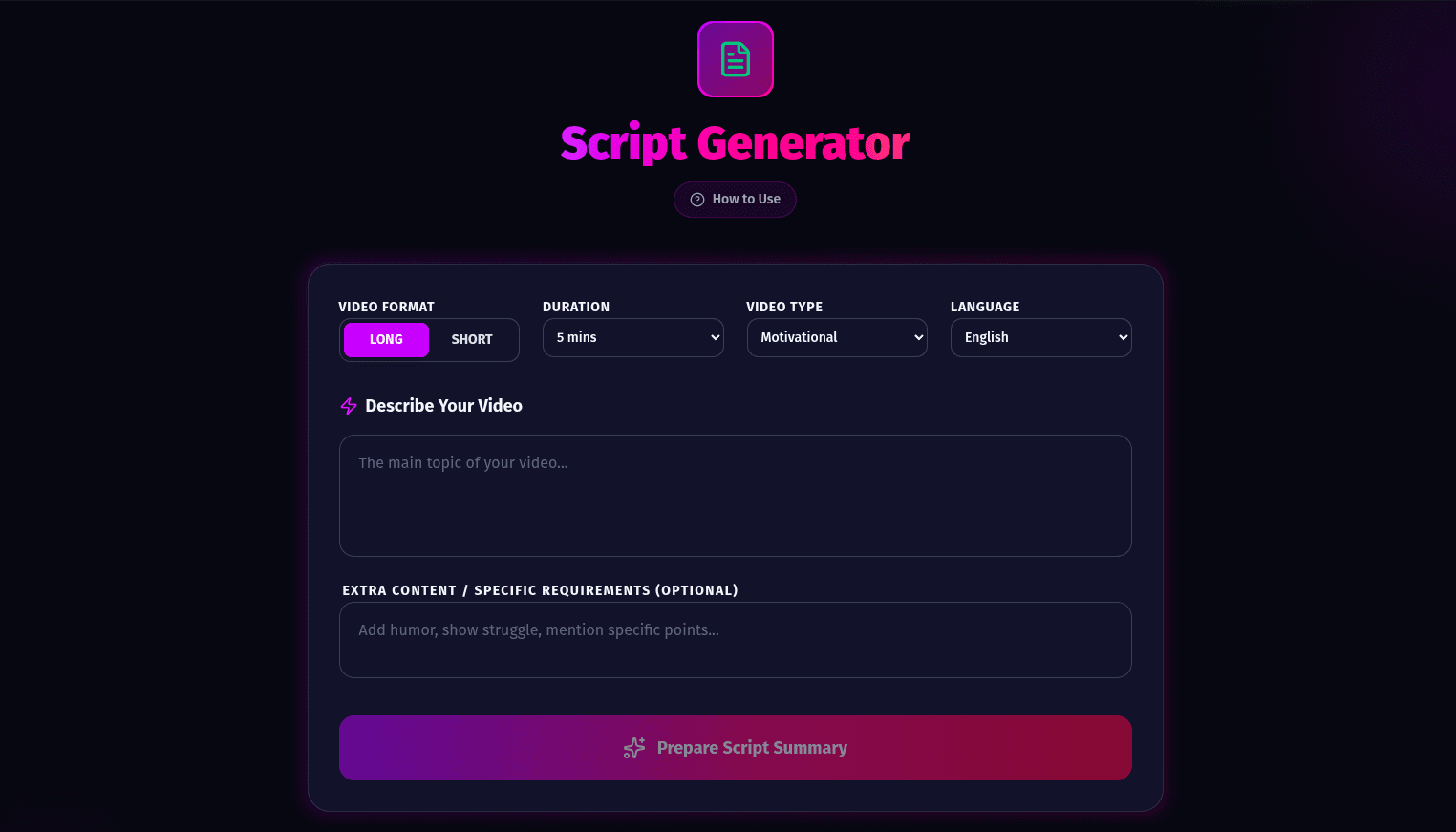
Figure 2: The interactive AI script generator workspace, displaying side-by-side visual cues and spoken narrations.
Use our interactive scripting console to tweak sentence lengths, adjust paragraph pacing thresholds, or regenerate specific script segments. Once finalized, export your storyboard in direct teleprompter-ready formats, minimizing speaking lag and filler words during recording.
The Rules of High-Yield Narration
To maximize the click-through rates and retention driven by your AI-generated scripts, ensure your layout structure complies with these professional search guidelines:
Never start a script with self-introductions, subscription calls, or channel logos. The first 5 seconds must validate the title/thumbnail curiosity trigger immediately. Focus on what the viewer wants to see.
Keep sentences short. Use contractions (e.g. 'don't', 'it's') and clear, punchy vocabulary. Speak at a slightly accelerated but comfortable speaking pace of 150-160 words per minute.
Introduce visual pattern interrupts (sound effects, zoom shifts, graphic pop-ups, text slides) every 5-7 seconds. Pacing shifts help sustain focus on small mobile screens.
Reframe your metadata strategy with a unified creator workspace. Generate high-CTR titles, optimized descriptions, and semantically categorized tags backed by predictive AI.
Written and reviewed by the Cre8Virals editorial team — YouTube growth strategists, metadata researchers, and algorithmic SEO specialists with over 5+ years of experience analyzing viral video patterns and channel monetization.
While Click-Through Rate (CTR) acts as the gatekeeper by securing the initial click, Audience Retention determines how far the algorithm will ultimately push your video. If you have an excellent thumbnail that achieves a 15% CTR, but your script fails to hook the audience, causing average watch time to drop below 30%, YouTube's recommendation engine interprets the upload as bait. It will immediately stop distributing impressions. High retention proves to the algorithm that your content delivers on its promise, forcing the system to recommend your video to larger, broader viewer cohorts.
The first 5 to 10 seconds of your video are the most volatile; this is where the largest drop-off occurs on average. A script hook must do three things instantly: validate the exact promise made in the title and thumbnail, establish high emotional stakes or a compelling question, and introduce visual or narrative momentum. Never start a video with generic intros, logo animations, or a lengthy explanation of who you are. Dive directly into the action or the primary topic to capture focus.
The ideal length depends entirely on your content style and target pacing. For general education or entertaining niches, target a video length of 8 to 15 minutes to maximize mid-roll ad opportunities and overall watch time. At an average speaking pace of 150 words per minute, an 8-minute video requires approximately 1,200 words of spoken script, while a 12-minute video requires around 1,800 words. Cre8Virals' generator allows you to specify target speaking durations to output perfectly proportioned drafts.
Most generic AI chatbots produce robotic, essay-style text that feels dry when read aloud. Specialized script generators are different. Modern language models are trained specifically on successful audio scripts and retention datasets. Our AI incorporates conversational cadences, visual B-roll indicators, sound effect (SFX) prompts, dramatic pauses, and pacing fluctuations. This allows the generated script to feel alive, expressive, and optimized for auditory comprehension.
For maximum retention, especially in complex educational, documentary, or faceless niches, we highly recommend writing your script word-for-word. Spontaneous speaking often introduces redundant words, filler gaps, and pacing lag, which can lead to quick viewer drop-offs. A structured, word-for-word script ensures that every sentence drives the narrative forward, keeps B-roll transitions tight, and optimizes pacing. Outlining is best reserved for highly interactive, conversational, or vlog-style channels.
Try Cre8Virals today to generate high-performance titles, description tags, and eye-catching scripts designed to maximize browse recommendations.
Discover the exact strategies top creators are using to leverage artificial intelligence for viral growth.

Finding the right niche is the difference between struggling for views and explosive growth. Explore 54 high-demand YouTube niches for 2026.
Learn how to start a YouTube channel from scratch in 2026. Discover the organic growth strategies, equipment essentials, SEO optimization, and channel setup secrets to stand out and monetize fast.